Unbox & verify
Get your device directly from Ledger or an authorized reseller. Check the box and device for signs of tampering before you begin.
A clear, confident beginning to managing your crypto. Learn the essentials, secure your recovery phrase, and make every move with intention.
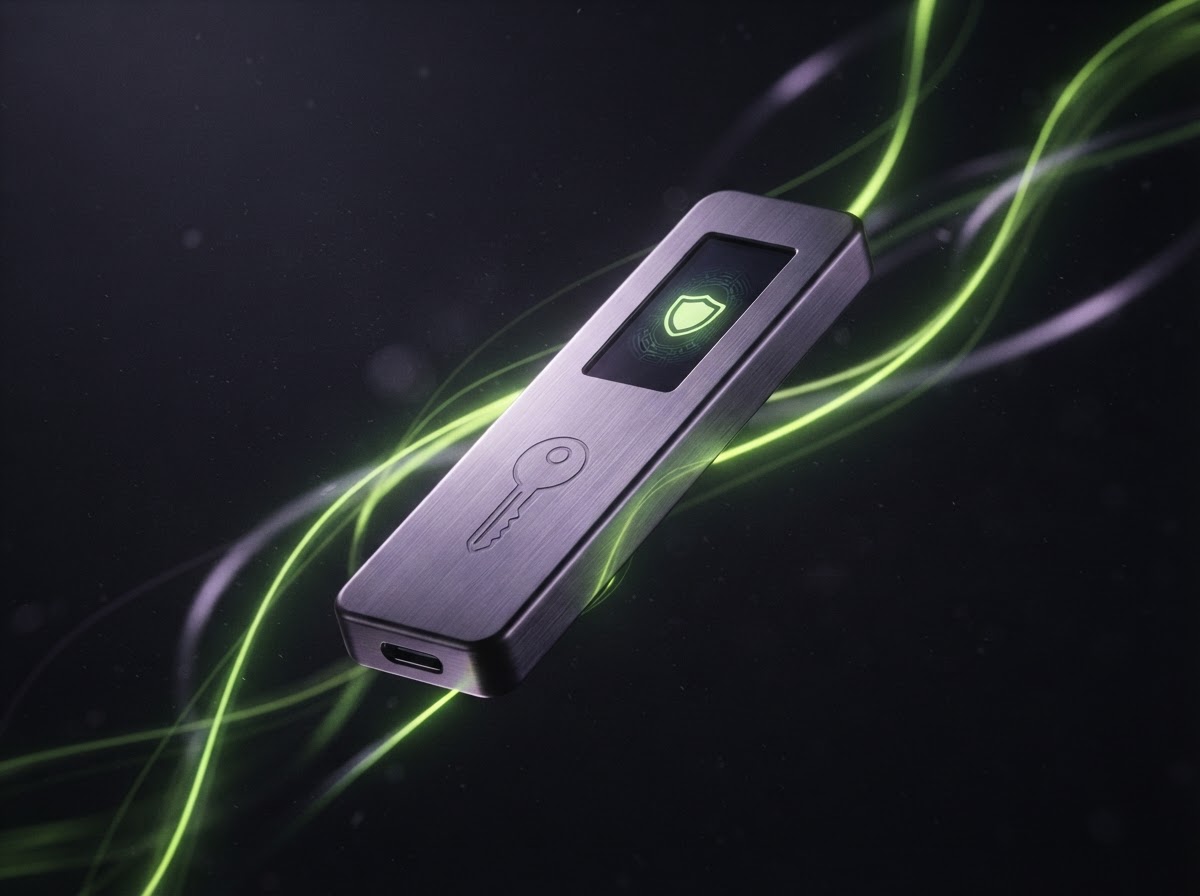
Your device puts you in control. These four fundamentals help you set it up carefully and build safer habits from day one.
Get your device directly from Ledger or an authorized reseller. Check the box and device for signs of tampering before you begin.
Install Ledger Wallet from the official Ledger website, connect your device, and follow the on-screen instructions to create a new wallet.
Write the 24 words on the recovery sheet in the correct order. Keep it offline, private, and somewhere secure. Never share it.
Review every transaction on your device screen before approving. The device is your trusted source for confirming what you sign.
Keep your recovery phrase to yourself. Ledger will never ask you to enter it into a website, app, or support chat. Anyone who gets it can access your assets.
Getting started with digital assets begins with understanding who controls access to them. When you use a self-custody wallet, you hold the private keys that authorize transactions. A hardware wallet keeps those keys protected offline while allowing you to review and approve activity.
Begin by purchasing your device through Ledger’s official website or an authorized retailer. Follow the instructions in Ledger Wallet to initialize it and create a new wallet. During setup, your device will generate a recovery phrase—typically 24 words—that can restore access if your device is lost or damaged. Write the words down in order and keep them somewhere private and physically secure. Never photograph, email, or type your phrase into a computer or website.
Next, take time to learn the companion app: add accounts, explore supported assets, and understand how to receive funds. When sending crypto, confirm the address, network, and amount on your hardware device’s own screen before approving. A computer display alone is not enough; careful transaction verification helps you catch errors and misleading prompts.
Self-custody offers greater control, but that control comes with responsibility. Keep device software current using official channels, protect your PIN, and be cautious of urgent messages, fake support agents, and unexpected links. Start small, pause when something feels unclear, and make security a regular habit—not a one-time setup task.
Slow down, verify the details, and rely on official Ledger resources as you learn. Your security habits are part of your wallet.
Visit Ledger Support ↗